Insights
Analysis, guides, and news on innovation funding to keep you up to date with the latest opportunities.
Featured

Spain Adds €100 Million to NEOTEC and Science & Innovation Missions 2026
Spain has increased 2026 funding for NEOTEC and Science & Innovation Missions by €100 million. What does this mean for innovative companies and where is public funding heading?

AI Can Write a Grant Proposal. But Can It Build a Winning Innovation Case?
Artificial intelligence is transforming the way companies prepare European funding applications, but can it replace the expertise behind a successful proposal? This article explores AI’s opportunities and risks in innovation funding, highlighting why strategic judgement, evidence and domain expertise remain essential.
All Articles

New European Bauhaus 2026: €101 Million to Rethink Europe’s Neighbourhoods
The New European Bauhaus Facility will provide €101.1 million in 2026 to support innovative projects combining sustainability, inclusion and design to transform Europe’s neighbourhoods and built environment.
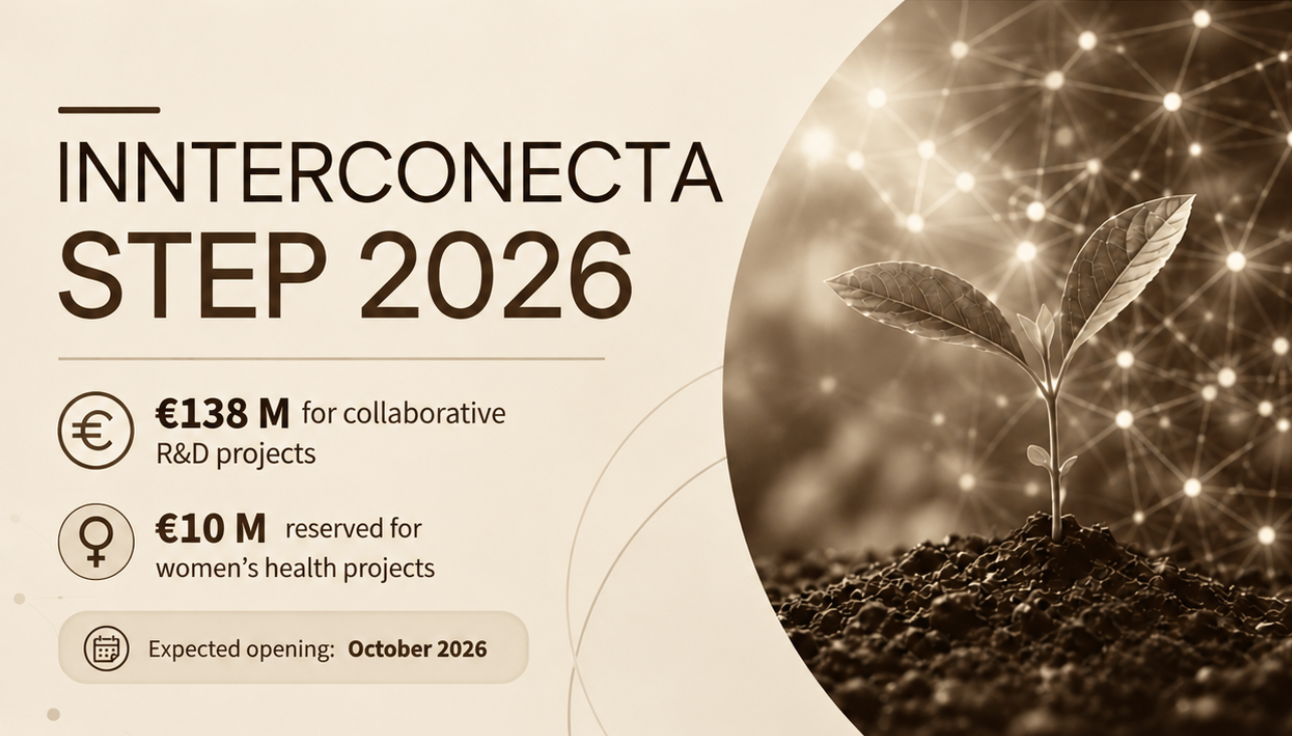
INNTERCONECTA-STEP 2026: The Call Is Not Open Yet. Your Project Should Be
With €138 million available, INNTERCONECTA-STEP 2026 represents a major opportunity for collaborative R&D projects. But the most important preparation starts before the call opens.

Publicada la resolución provisional de la convocatoria CPP 2025: una competencia sin precedentes para la I+D colaborativa
La resolución provisional de la convocatoria Colaboración Público-Privada (CPP) 2025 confirma un escenario de competencia sin precedentes para los proyectos de I+D colaborativa en España. Analizamos los principales datos de la convocatoria, las diferencias respecto a 2024 y las implicaciones para empresas y organismos de investigación que aspiran a obtener financiación en futuras ediciones.

From Spreadsheets to Smart Platforms: How Innovation Is Transforming Group Travel Management
Discover how Mygocu is helping redefine group travel management through digital innovation. Learn how strategic funding supports the development of scalable TravelTech solutions that improve operational efficiency and customer experience.

Artificial Intelligence in European Project Evaluation: Opportunities and Governance Challenges
How can AI be used responsibly in the evaluation of European funding proposals? Discover the EAIC recommendations on transparency, human oversight, governance, and trustworthy AI.

Beyond the Classroom: How Innovation Is Personalising Education Through Technology
Explore how innovation, personalised learning and strategic public funding are helping BEL Community shape the future of education. Discover why EdTech continues to be one of Europe's fastest-growing innovation sectors.

AI for Industry in Horizon Europe: What the New Funding Priorities Mean for Innovative Companies
Discover how Horizon Europe is shifting its focus towards industrial AI applications and what this means for companies seeking European funding. Learn how to align your innovation strategy with the EU's latest priorities.
Women TechEU 2: Five Key Takeaways from the InfoDay Every Deep Tech Startup Should Know
Discover the key insights from the Women TechEU 2 InfoDay and learn what every women-led deep tech startup should consider before applying. From eligibility requirements to strategic preparation, we explore the factors that can make the difference between a compliant application and a truly competitive proposal.
LIFE Clean Energy Transition: Driving Europe’s Path Towards a Sustainable Energy Future
Europe is accelerating its journey towards a more sustainable energy future, and funding opportunities such as LIFE Clean Energy Transition (LIFE CET) are key to turning ambitious ideas into impactful projects. Discover how this programme can support initiatives driving energy efficiency, renewable energy and the clean energy transition.
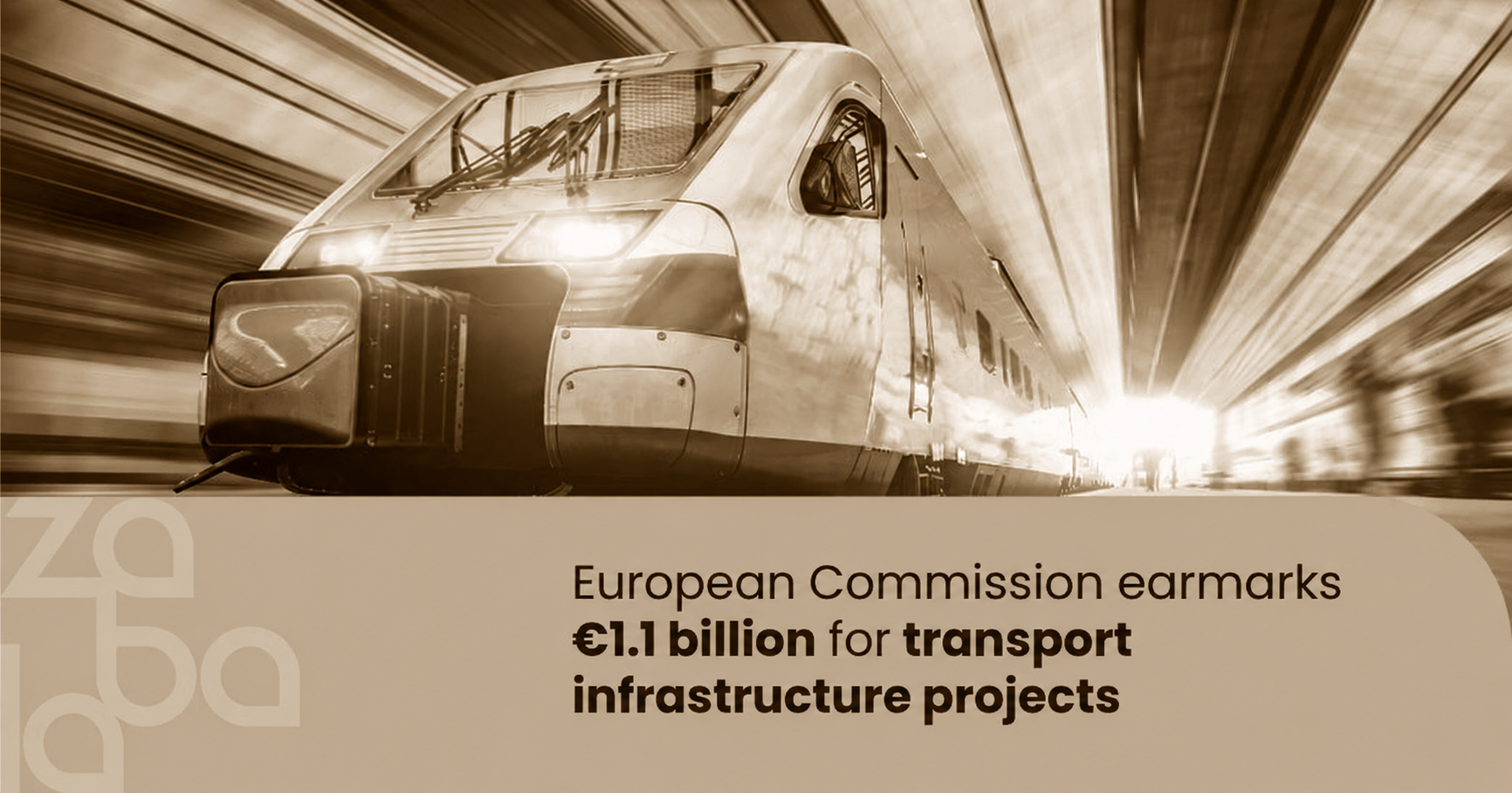
€1.1 Billion Available for Strategic Transport Infrastructure Projects Under the CEF Transport Reflow Call 2026
The European Commission has launched a new funding opportunity under the Connecting Europe Facility (CEF) Transport programme, making approximately €1.1 billion available to support strategic transport infrastructure projects across Europe.
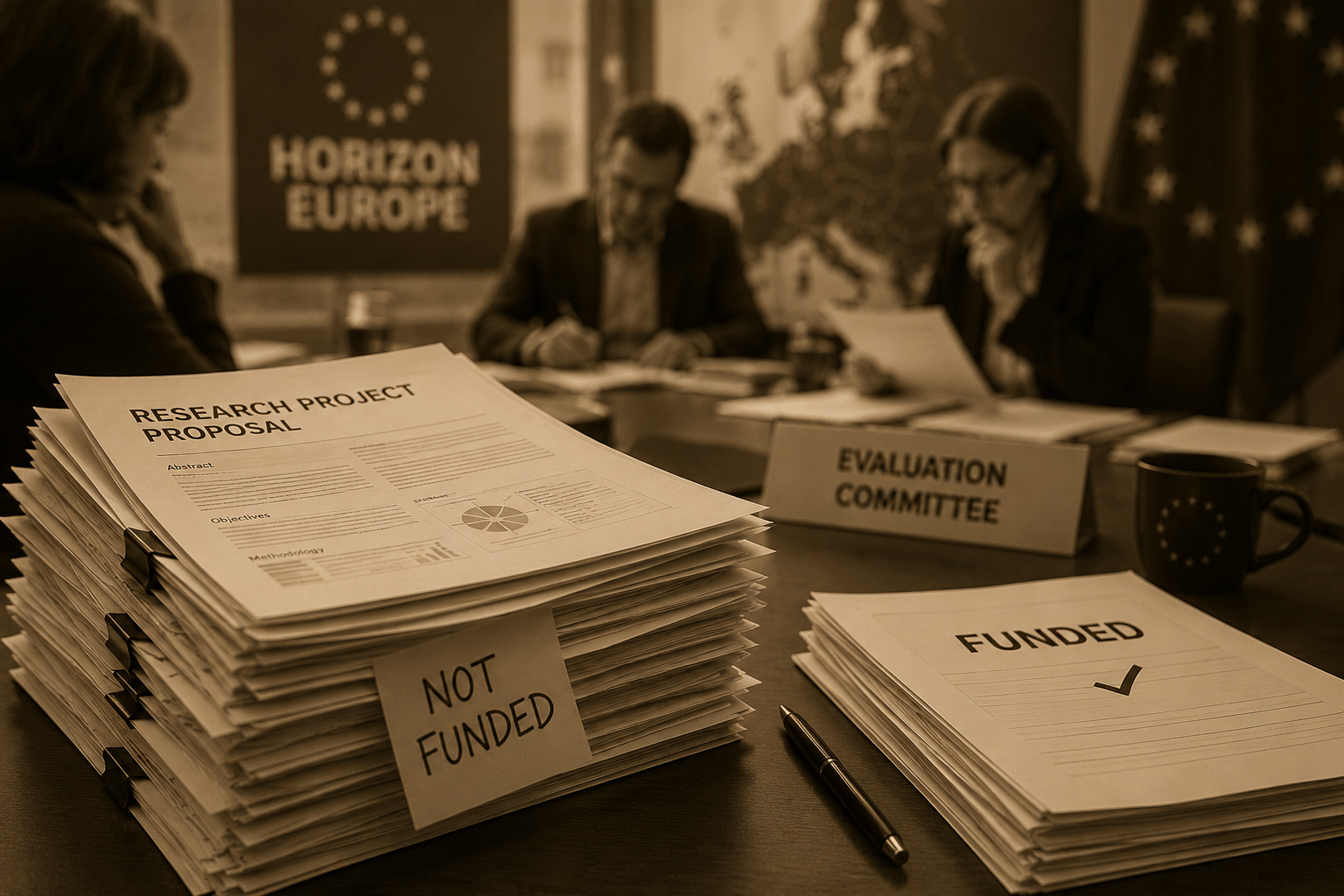
What Horizon Europe reveals about the real bottleneck in European innovation
Europe is not falling behind in the global innovation race due to a lack of talent or scientific capability. It is running into a far less visible constraint: its ability to finance the innovation it is already capable of producing.
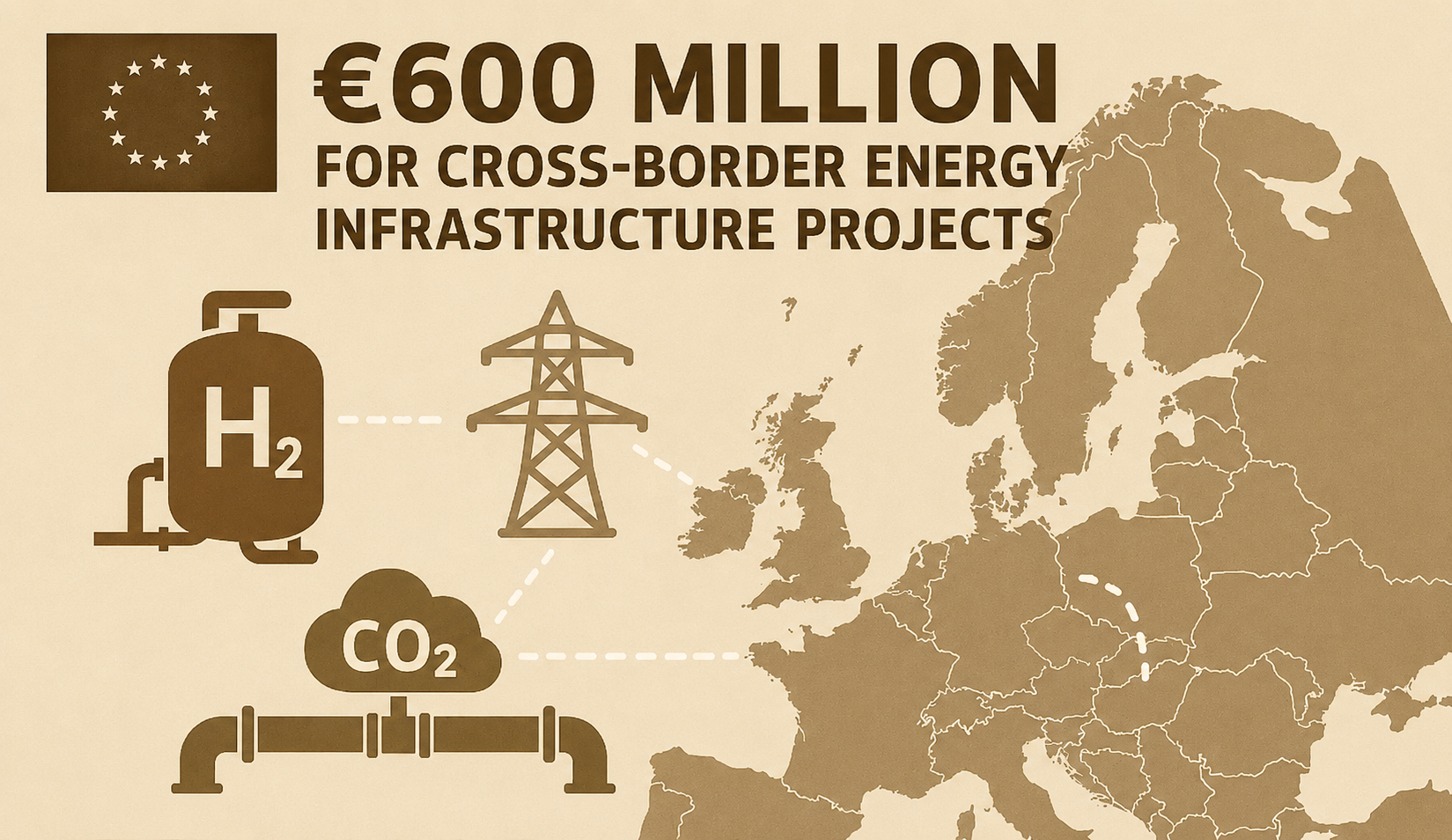
The EU launches a new €600 million call for strategic energy infrastructure projects
Europe is accelerating investment in strategic energy infrastructure as part of its broader energy transition and industrial competitiveness agenda. The European Commission’s new €600 million CEF Energy call sends a clear signal to the market: cross-border energy projects linked to hydrogen, electricity interconnections, smart grids and storage will remain a major EU funding priority over the coming years. For companies, infrastructure developers and public entities, the programme represents a significant opportunity to position projects within Europe’s evolving energy ecosystem and secure support for large-scale investments.
JEWEL Open Call 2026: An Opportunity to Boost Net-Zero Technologies and Accelerate Industrial Decarbonisation in Europe
The JEWEL Open Call 2026 offers funding opportunities for SMEs and innovators developing Net-Zero Technologies across energy storage, hydrogen, smart grids and renewable solutions, supporting industrial decarbonisation and European collaboration.

Europe Is Scaling Investment in Regenerative Medicine
Europe is rapidly increasing investment in regenerative medicine, pushing it from experimental research toward real clinical applications. Through Horizon Europe funding, the EU is supporting breakthroughs in bio-printing, cell therapies, and personalized treatments to address ageing populations and chronic disease. This shift signals a broader strategy to strengthen Europe’s leadership in next-generation healthcare innovation.
LIFE Programme 2026: Key Insights and Opportunities for Environmental and Climate Projects
A reinforced opportunity to drive Europe’s green transition

From Veterinary Clinics to Biotech: How Innovation is Transforming Animal Health in Spain
Animal health is undergoing a quiet but profound transformation. In Spain, innovation, research, and a closer bond between people and their pets are turning the veterinary sector into a growing hub for advanced solutions. Companies like EpiicVet reflect this shift, bringing academic science into real-world clinical applications.

Securing Strategic EU Funding for IberCHECK
How Soros Gabinete navigated a highly competitive European call to fund the fight against disinformation.
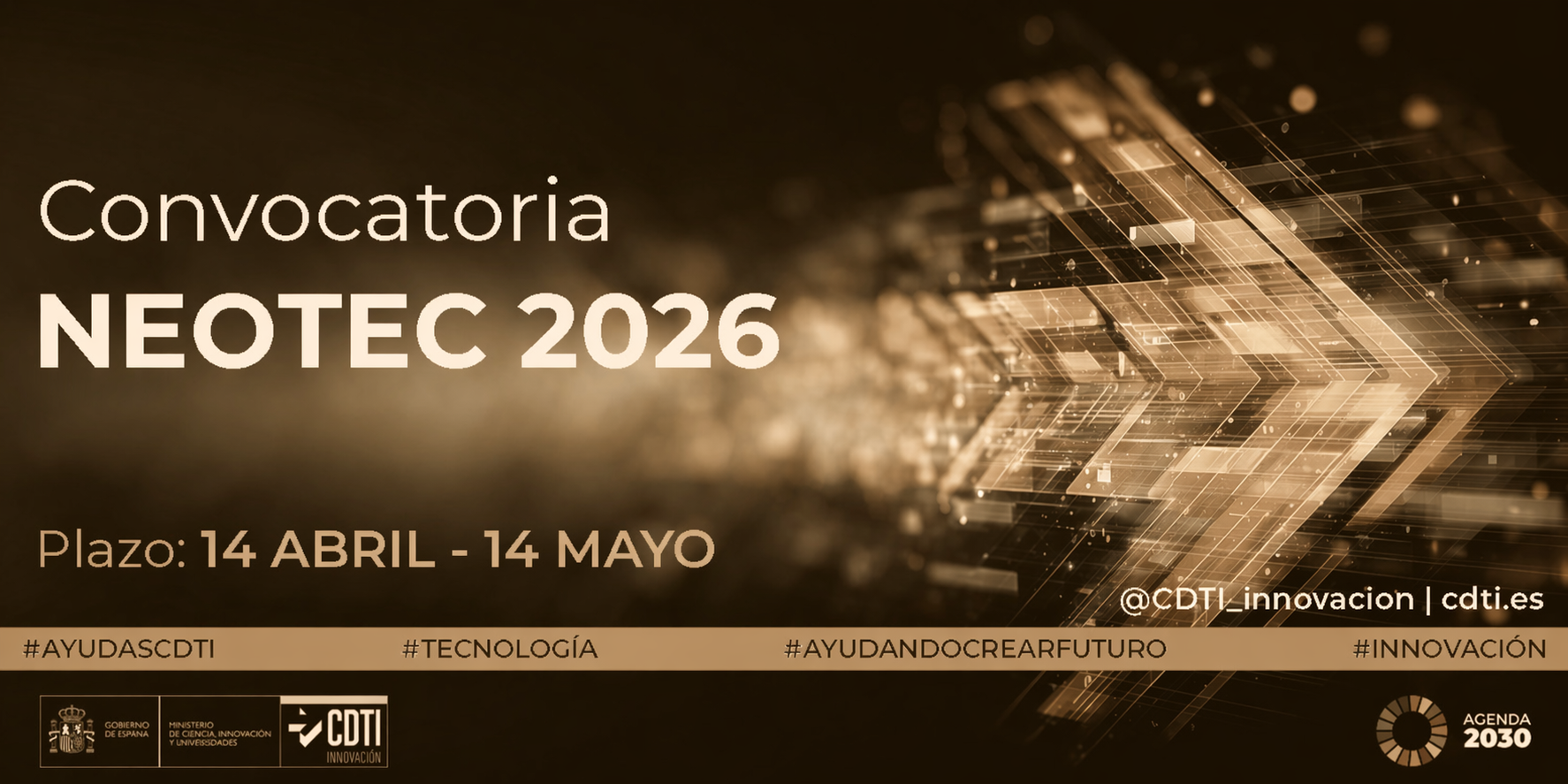
NEOTEC 2026 opens: increased budget, new international training and key opportunities for technology startups
CDTI has officially launched the 2026 edition of NEOTEC, one of Spain’s leading funding programmes for technology-based startups. The new call includes a potential budget increase, updated application requirements and enhanced international training opportunities, making it a key instrument for innovative companies planning growth.
Get the Latest Opportunities
Subscribe to our newsletter and never miss a funding call