Europe Is Scaling Investment in Regenerative Medicine
Europe is rapidly increasing investment in regenerative medicine, pushing it from experimental research toward real clinical applications. Through Horizon Europe funding, the EU is supporting breakthroughs in bio-printing, cell therapies, and personalized treatments to address ageing populations and chronic disease. This shift signals a broader strategy to strengthen Europe’s leadership in next-generation healthcare innovation.
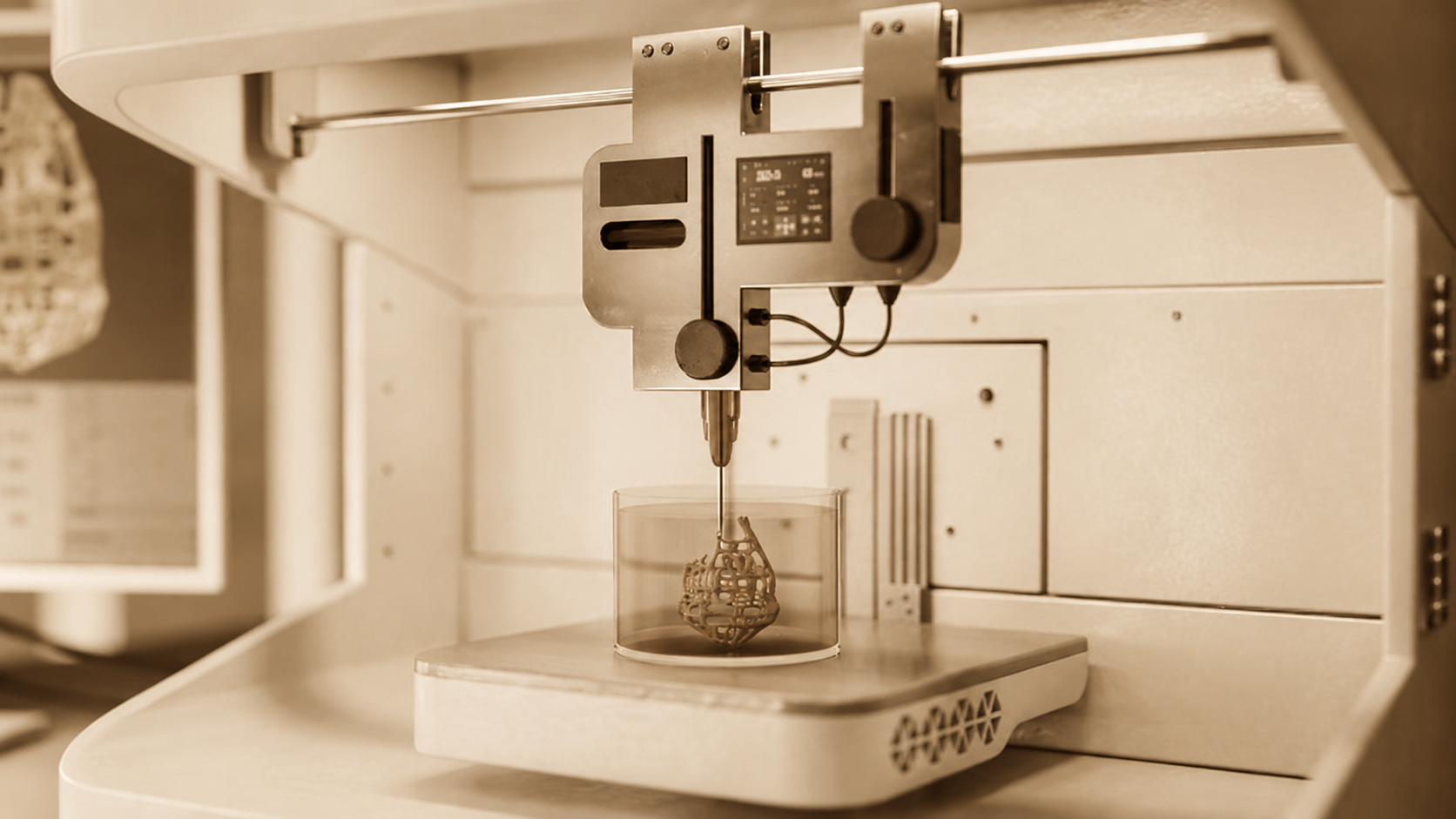
Europe is accelerating investment in regenerative medicine as healthcare systems face growing pressure linked to ageing populations, chronic diseases and the increasing demand for personalized therapies. Technologies such as tissue engineering, advanced cell therapies and 3D bio-printing are moving rapidly from experimental research environments toward clinically viable applications capable of transforming long-term patient care.
This transition is increasingly visible in Horizon Europe’s funding priorities. Under the HORIZON-HLTH-2027-03-TOOL-02 topic focused on bio-printing living cells for regenerative medicine, the European Commission plans to allocate approximately €39.3 million to collaborative innovation projects designed to accelerate the deployment of advanced regenerative therapies. The programme is expected to fund around four large-scale projects, with EU contributions ranging between €7 million and €10 million per consortium.
The scale of these investments reflects a broader shift in Europe’s healthcare innovation strategy. Regenerative medicine is no longer being treated solely as a long-term scientific ambition, but increasingly as a strategic field capable of addressing major structural healthcare challenges. Current bio-printing technologies are already demonstrating significant potential in pre-clinical studies for tissue regeneration and transplantation applications, particularly through personalized grafts designed to reduce adverse immune reactions.
At the same time, advances in biomaterials, computational biology and AI-driven modelling are accelerating development timelines across the biotech ecosystem. What makes this particularly relevant from a European innovation perspective is the growing emphasis on translating these technologies beyond laboratory environments and into scalable clinical and industrial applications. Several Horizon Europe documents explicitly prioritise projects capable of reaching clinical validation stages and developing manufacturing processes compliant with regulatory and GMP standards.
Europe’s Health Innovation Agenda Is Becoming More Strategic
The European Union’s growing support for regenerative medicine reflects a wider ambition to strengthen technological sovereignty and industrial competitiveness in advanced healthcare technologies. Horizon Europe, which operates with an overall budget of approximately €95.5 billion for the 2021–2027 period, is increasingly prioritising high-impact sectors capable of combining scientific innovation with long-term economic resilience.
Within the Health Cluster alone, the European Commission is directing substantial investment toward technologies linked to AI-driven diagnostics, Virtual Human Twins, precision medicine and advanced therapies. Alongside the €39.3 million allocated to regenerative medicine bio-printing, Horizon Europe is also dedicating another €39.3 million to Virtual Human Twins for integrated clinical decision support and additional funding toward AI applications in healthcare.
This funding landscape reveals an important strategic pattern: Europe is increasingly investing in technologies capable of reshaping healthcare delivery rather than simply improving existing systems incrementally. The convergence of biotechnology, artificial intelligence, advanced manufacturing and digital health is becoming central to the EU’s long-term healthcare and industrial strategy.
For startups, SMEs, research organisations and healthcare providers, this creates significant opportunities to participate in large-scale collaborative R&D initiatives supported by European funding programmes. Horizon Europe projects typically require cross-border consortia involving universities, hospitals, research centres and industrial partners, reinforcing the importance of collaborative innovation ecosystems across Europe.
A Long-Term Opportunity for Europe’s Innovation Ecosystem
The growing emphasis on regenerative medicine also signals a broader transformation in how Europe approaches innovation policy. Rather than focusing exclusively on short-term market applications, European institutions are increasingly prioritising breakthrough technologies capable of generating long-term societal and economic impact.
In this context, regenerative medicine represents more than a niche scientific field. It is becoming part of a wider European strategy centred on healthcare resilience, advanced manufacturing capabilities and leadership in next-generation biomedical technologies.
As investment continues to scale, the technologies currently being supported through Horizon Europe are likely to shape future markets linked to advanced therapies, personalized medicine and biomedical manufacturing over the next decade. For organisations operating across biotechnology, medtech and health innovation, Europe’s growing commitment to regenerative medicine sends a clear signal: advanced healthcare technologies are becoming one of the European Union’s key strategic investment priorities.
Need help with your funding application?
Our team of experts is ready to help you secure funding for your innovation project.
Contact Us